| Threatened and Endangered Species
Every year, more of Canada’s animals and plants are threatened by extinction. Today, there are 668 species at risk in Canada.
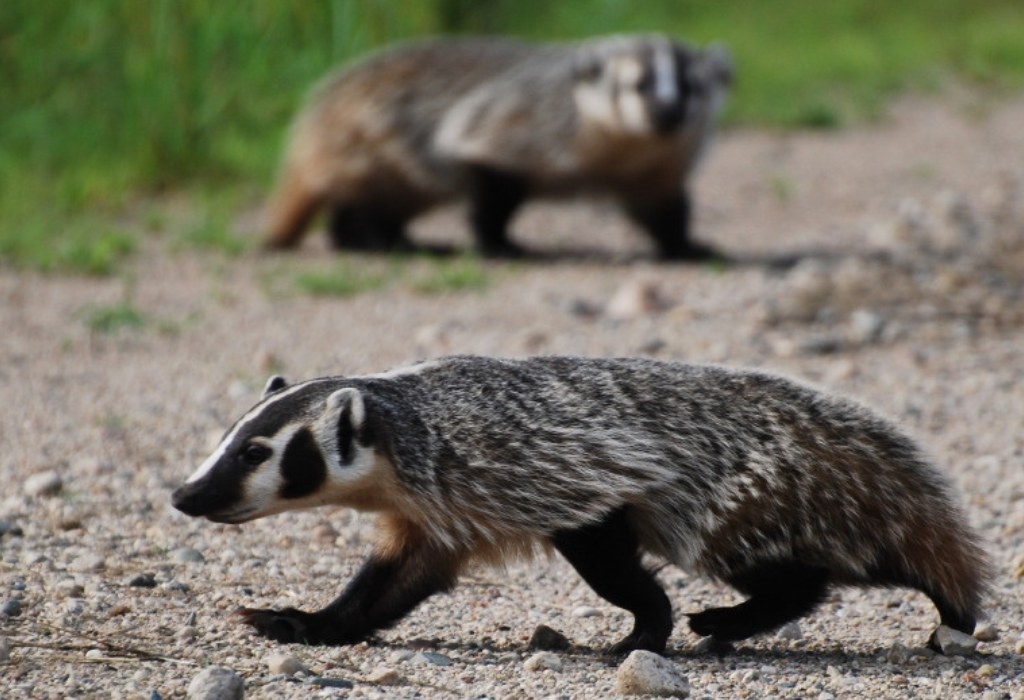
According to the scientific Committee on the Status of Endangered Wildlife in Canada there are 668 endangered species. The most recent threatened or endangered animal species added in November 2012, include: Wood Thrush. In Canada, this forest-nesting species has declined significantly in numbers. Assessed as Threatened, the species is threatened by habitat loss on its wintering grounds in Central America, and high rates of ‘nest-robbing’ by Brown-headed Cowbirds and nest predation associated with degraded and fragmented habitats in its breeding range. Eastern Wood Pewee. Assessed as Special Concern, this common songbird of North America’s eastern forests has experienced persistent declines over the past 40 years both in Canada and the United States. Part of a group of birds called ‘aerial insectivores’ that catch their insect prey in-flight, the Pewee has declined 25% in a decade. Aerial insectivores as a group are declining more rapidly than any other group, according to The State of Canada's Birds 2012. American Badger. Three populations of American Badger in British Columbia and Ontario, none with more than 250 individuals, were all assessed as Endangered. Badgers require open habitat with soils that can be dug into stable burrows. Such suitable habitat patches are now often found near roadways, and roadkill poses a significant threat to the badgers. Roadkill was also cited as a major cause of mortality of Massasauga Rattlesnakes and Eastern Ribbonsnakes in southern Ontario, and Western Toads and Western Tiger Salamanders in British Columbia. Striped Bass. While the St. Lawrence Estuary population of this fish improved from Extirpated to Threatened as a result of federal protection and reintroduction efforts, the Bay of Fundy population's situation worsened to Endangered because of recreational fishing, by-catch and habitat degradation. Extinction Threats are Growing Many scientists believe that the rate of loss is greater now than at any time in history. Most scientists agree that human activity is causing rapid deterioration in biodiversity. The loss of critical wildlife habitat, from expanding human settlements, logging, mining, agriculture and pollution are destroying ecosystems, upsetting nature's balance and driving many species to extinction. For roughly 75 per cent of endangered species, the loss and degradation of their habitat is the central cause of their declining numbers. Illegal poaching and the growing effects of climate change are also threats that species face every day. Nature Canada’s Endangered Species ProgramNature Canada is working to reverse this trend by informing the public about the plight of Canada’s threatened wildlife, pushing for effective laws and supporting programs to protect endangered species and their habitats. Nature Canada led a multi-year Endangered Species Campaign involving NGO and government stakeholders to establish federal endangered species legislation. As a member of the Species at Risk Working Group we helped secure the passage of the federal Species at Risk Act in 2003. Under the Act, the federal government is obligated to work to rebuild threatened or endangered species populations and take action to prevent relatively common species from facing further risk. Unfortunately Canada is failing to fulfill its duty of care toward our nation’s wildlife. Key weaknesses in the Act’s implementation have left many plant and animal species at continued risk of extinction. Nature Canada is focusing on getting the federal government to live up to its obligations under the legislation, and ensure that Canada’s plant and animal populations do not continue to decline. In 2009, Nature Canada released a report card on the government's performance in implementing the Act. In the report, a failing grade is assessed twice: first for failing to take measures to protect the habitat of at-risk species, and again for refusing to ever employ the federal "safety net," which is meant to protect SARA-listed species under provinical jurisdiction when provincial governments fail to protect them. |