Protect and Restore Canada’s Great Forests
Climate and logging
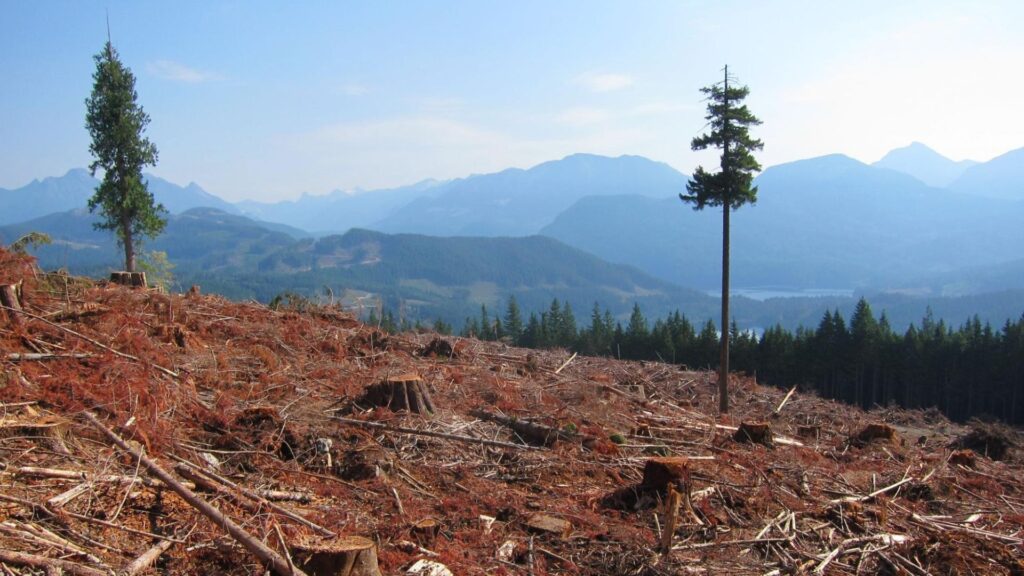
Forests are crucial in fighting climate change, stemming biodiversity loss and creating liveable cities. It follows that we need to keep careful track of how much forest we cut down, and how much carbon is released in the process. But Canada manipulates its emissions numbers to allow big logging companies to destroy the forests for their own profits, hiding emissions roughly equal to the oil sands.
Something doesn’t add up!
Nature Canada believes that Canada needs a new vision for industrial logging. Clear-cutting primary and old-growth boreal forest and replacing it with monocultures of spruce is not only bad for the forest, but also bad for international trade. The European Union now requires companies who sell forest products in that jurisdiction to prove that those products are not tied to deforestation or forest degradation.
Nature Canada is working on several fronts to protect Canada’s boreal forest. Check out the Impact Report for Nature Canada’s Boreal Program here →
It’s time that Canada recognizes the true impact of the logging industry on both climate and biodiversity. We can also make a conscious effort to permanently repair the damage that has already been done by planting new forests that are diverse and permanently protected.
Urban Tree Equity
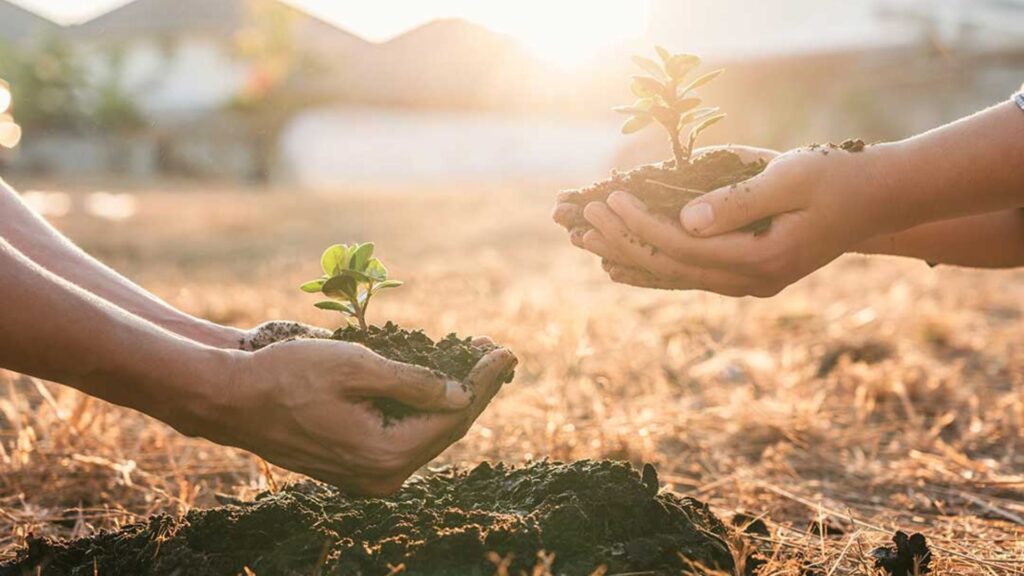
Newly planted trees — no matter how small and spindly — do a great job of seeding hope, which is why Nature Canada takes reforestation so seriously.
We are working to ensure that Canada’s cities and towns have increased tree canopy, and that our near-urban and rural settings have additional and more ecologically sound forests. One of our big goals is to ensure that everybody can access treescapes and enjoy their benefits. In 2022, we released the report Canada’s Urban Forests, Bringing the Canopy to All, which argued that tree cover is not evenly distributed in urban areas. Treescapes tend to be more common in white and higher income neighbourhoods rather than in racialized and marginalized areas. That report launched our country-wide initiative to make a common good truly common through our tree equity work.
People need trees!
Trees not only hold up the world; they hold up neighbourhoods. That’s why our reforestation program has supported local groups across the country such as Calgary Climate Hub, Habitations L’Équerre, Seedlings Forest Education (Victoria, BC), and the Old North East Neighbourhood Association (London, ON) in their efforts to plant trees as ecological infrastructure and a climate solution.
The State of Canada’s Forests: Annual Report 2024
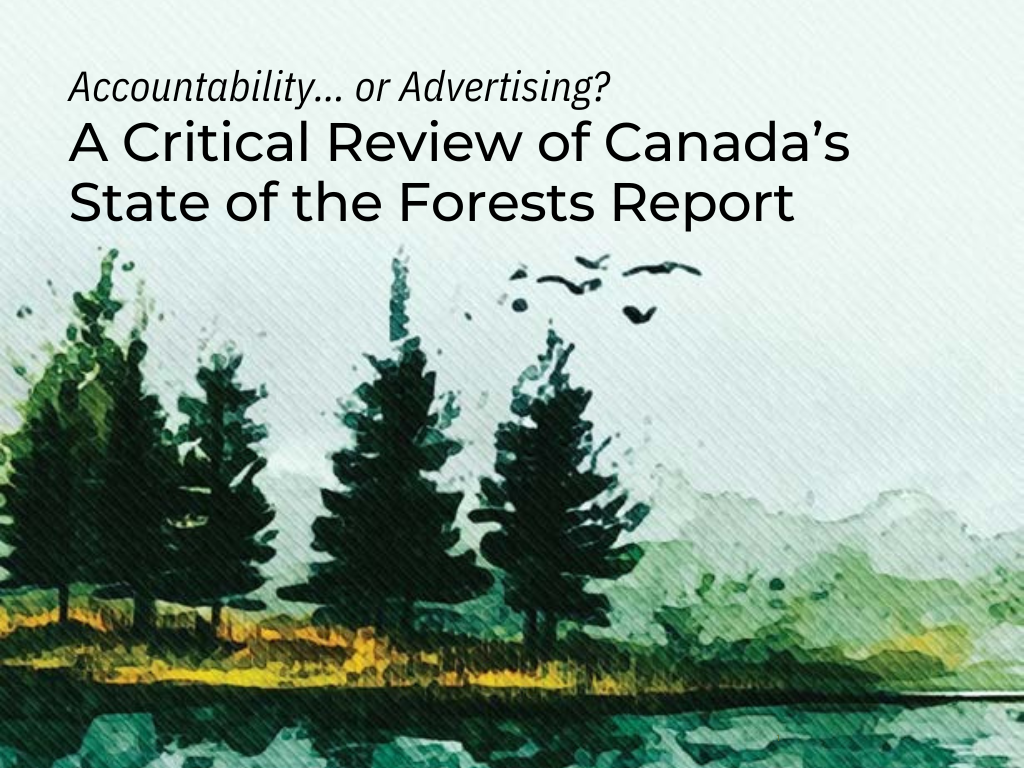
Nature Canada has teamed up with our Nature Network partners to release a critical report: “Advertising or Accountability? A Critical Review of Canada’s State of the Forests Report.” This is our direct response to the federal government’s 2024 “State of Canada’s Forests” publication. When you flip through the government’s 100-page document, it’s easy to be lulled into a sense of complacency by the glossy photos and soaring rhetoric. The message is clear: they want you to believe our forests are managed to the “highest environmental standards.”
We wish that were the truth. Our review pulls back the curtain on the federal narrative. Here are three major claims from the government that simply don’t hold up under scrutiny:
1. The Claim: “Canada is a world leader in sustainable forest management.”
The Reality: The federal report ignores the devastating loss of primary and old-growth forests and the fragmentation of intact ecosystems. Most importantly, it fails to acknowledge the direct role industrial logging plays in the decline of boreal woodland caribou.
2. The Claim: “NRCan is actively implementing the UN Declaration on the Rights of Indigenous Peoples (UNDRIP).”
The Reality: True implementation of UNDRIP requires Free, Prior, and Informed Consent from Indigenous nations for any development. If the government were serious about this, consent would be baked into forest-planning manuals and operational regulations. It isn’t.
3. The Claim: “Provinces are shifting policies toward ecological well-being.”
The Reality: In many cases, provinces are moving in the opposite direction—away from environmental safeguards. We see Ontario sidelining the Endangered Species Act, Alberta and B.C. continuing to log critical caribou habitat, and Quebec prioritizing “intense logging” zones. The shift is toward industrial output and extraction at the expense of nature.
Nature Canada and partners will continue to hold the federal government accountable to ensure our forests are protected for the species and communities that depend on them.
Updated 2026 Report Coming Soon
Protected Areas
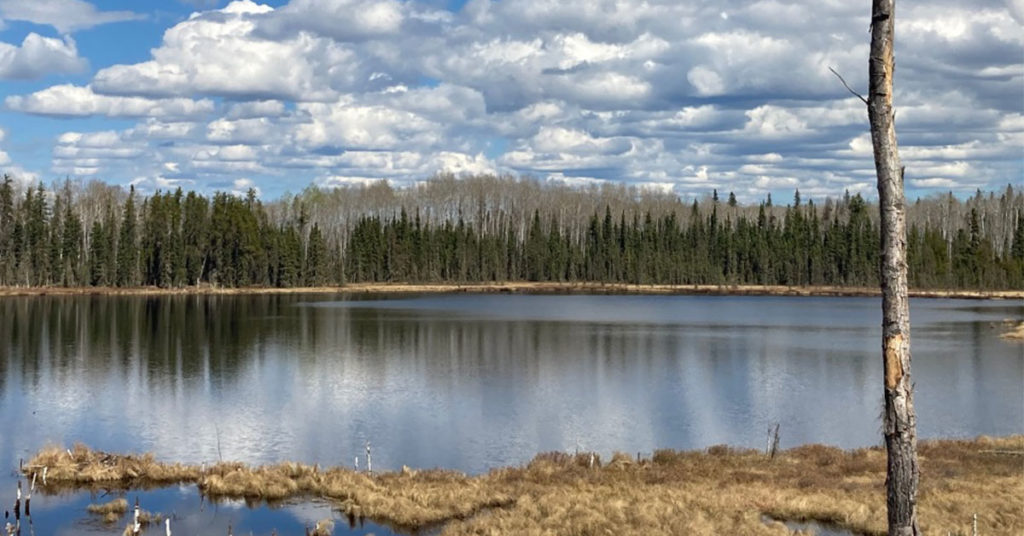
Nature Canada has partnered with Sakitawak IPCA to protect a traditional trapping area in northern Saskatchewan’s pristine boreal forest. (Photo: Sakitawak IPCA)
Saving our forests means creating protected areas like national parks or Indigenous Protected and Conserved Areas (IPCAs). Through our advocacy work, Nature Canada has helped protect countless hectares of land and water in Canada. We are also working with several Indigenous groups, including the Cree Nations of James Bay and Sakitawak Indigenous Protected and Conserved Area (Saskatchewan), to help protect the boreal forest and their stewardship traditions.
Forests are one of our strongest defenses against climate change. If you are inspired to support our forest protection and reforestation efforts right now, please give today!