What’s Missing from the State of Canada’s Forests Report
Every year, Natural Resources Canada publishes The State of Canada’s Forests Annual Report to update Canadians on what is happening in Canada’s forests. And every year, Canadians come away with only part of the picture.
A new report released by a coalition of conservation organizations, including Nature Canada, reveals six critical indicators missing from Canada’s official forest reporting. The omissions raise serious questions about the government’s claims of sustainable forest management.
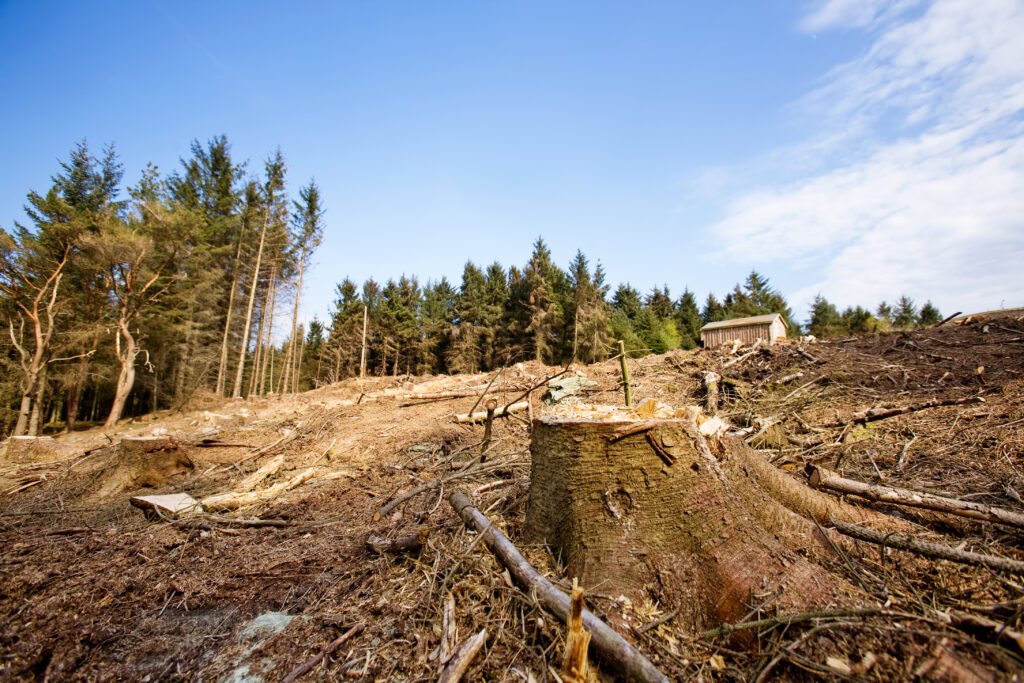
The report, Missing Indicators Brief: State of the Forest (2026) finds that Natural Resources Canada continues to emphasize timber production, industry employment and harvest levels while leaving out essential information about forest degradation, biodiversity loss, Indigenous rights and greenhouse gas emissions.
What’s missing from the government’s picture
- More than 22 million hectares of primary forest lost. Canada’s own reporting to the United Nations shows a decline of more than 22 million hectares of primary forest between 1990 and 2025. Yet primary forest loss is absent from the annual State of Canada’s Forests report.
- Old-growth forests disappearing. In British Columbia, the majority of the estimated original old-growth forests have already been logged and only 15 percent of it is protected. A much smaller fraction of highly productive, big-tree old-growth remains standing and even less has protection.
- A long way from “30×30.” Just 14 per cent of Canada’s land and nine per cent of its forests are protected, despite the federal commitment to protect 30 per cent of land and inland waters by 2030.
- Caribou habitat pushed past its limits. Every province with boreal caribou has ranges exceeding the federal government’s 35 per cent habitat disturbance threshold, undermining prospects for population recovery.
- Indigenous rights are largely left out of the equation. An assessment of forestry laws in British Columbia, Alberta, Ontario and Québec finds significant gaps in alignment with the United Nations Declaration on the Rights of Indigenous Peoples, including provisions for free, prior and informed consent.
- Logging emissions obscured. Federal greenhouse gas accounting combines emissions associated with logging with carbon absorbed by forests that have never been logged. An alternative methodology estimates net logging emissions at 147 million tonnes of carbon dioxide equivalent in 2022.
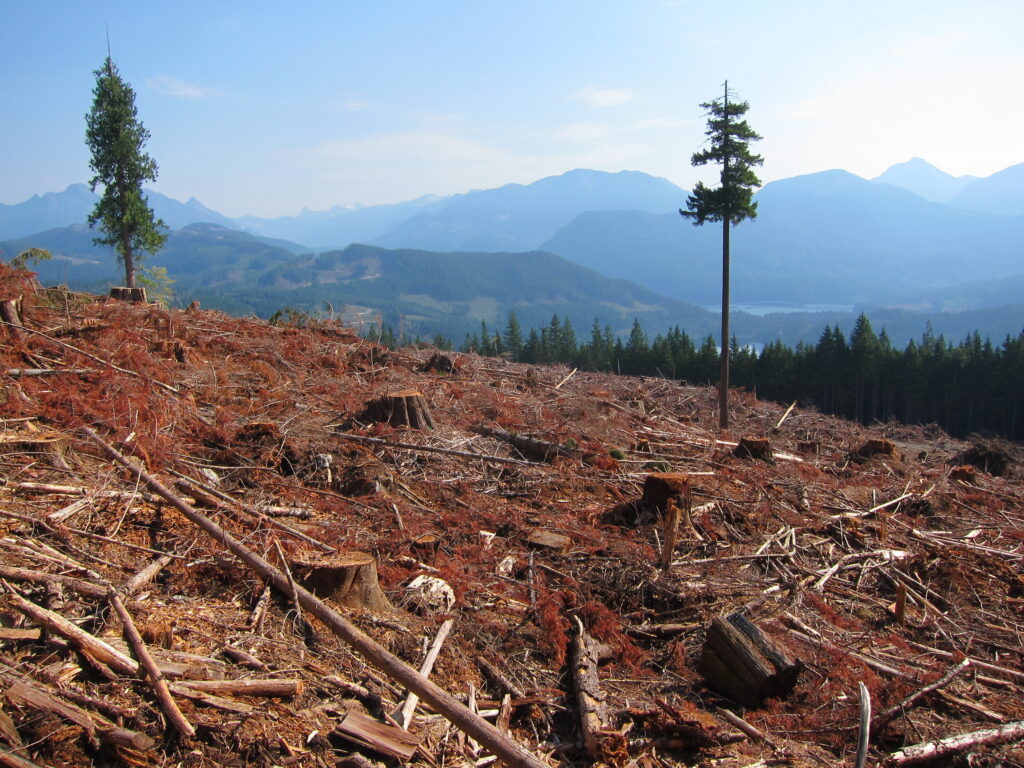
And now more than ever, Canada needs a clear and factual assessment of the state of Canada’s forests. It’s an important part of the current push to forge new trading relationships with partners like the European Union, who demand sustainably harvested forest products. As Nature Canada’s David Wallis says, “Every day that the government fails to be transparent and honest about the impacts of industrial logging on the health of our forests is a day that we continue to risk the foundations of trust underpinning our relationship with partners like the EU that demand sustainable forest products.”
Nature Canada and its partners are calling on Natural Resources Canada to incorporate the six indicators into its reporting and provide transparent data that reflects the full picture of ecological health, Indigenous rights and the impact of industrial activity.