The Birds And The Bees: The Basics of Neonicotinoids
The resulting alternative introduced as Neonicotinoids, unfortunately, still poses extreme harms to bees, birds and other pollinating insects.
Introduced as a “safer”, more efficient and an environmentally friendlier option, neonics (neonicotinoids) were developed by Bayer Crop Science to target the nervous systems of insects to kill them.
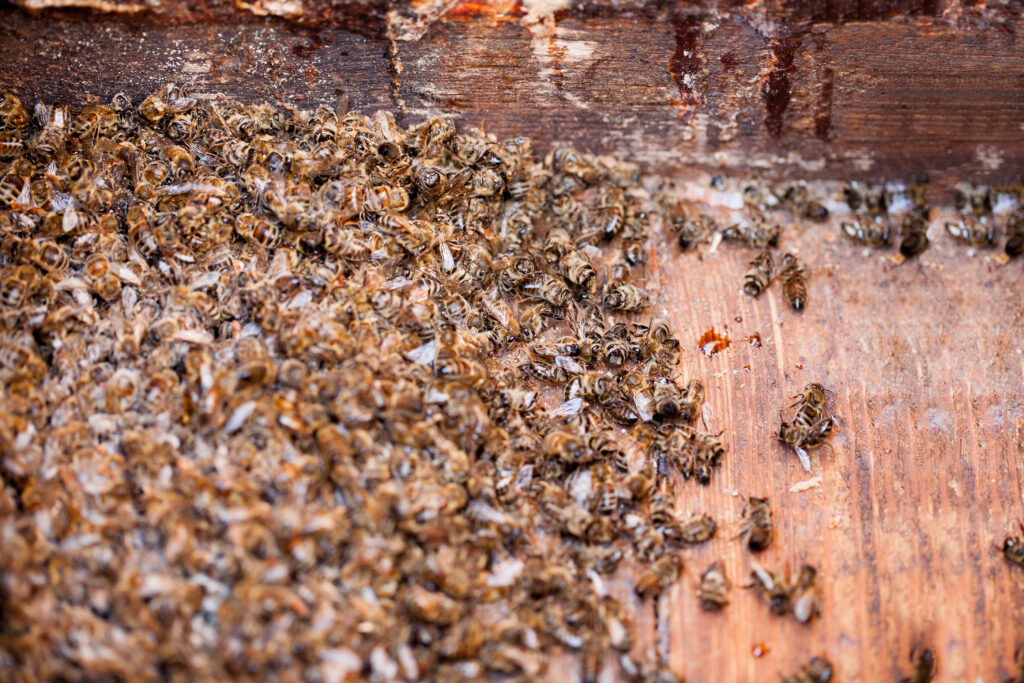
Bayer has always claimed that neonics are harmless to vertebrates and are environmentally friendly. This, however, is only half the truth. For the last decade, scientists around the world have been studying the environmental impacts of neonics and concluded that neonics are indiscriminately killing one of the most important members of the food web, the pollinators.
A Chain Reaction: from insects to birds to other wildlife
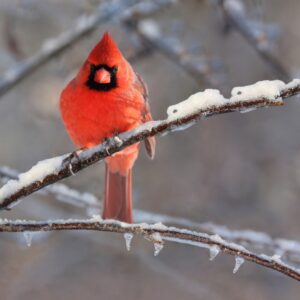
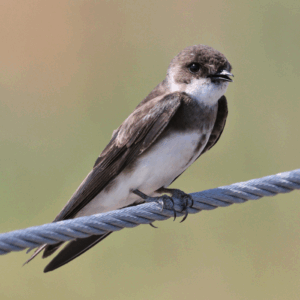
Birds depend on insects for food, and with the decline of these tiny creatures, our birds are losing their primary source of nutrition. But the harm doesn’t end there. When birds eat seeds treated or coated with neonics, these chemicals poison them directly, affecting their health, behavior, and survival. For over 20 years, scientists have been sounding the alarm, with evidence mounting about the devastation these chemicals are causing to wildlife. Many countries have banned neonics, yet Canada continues to allow their widespread use.
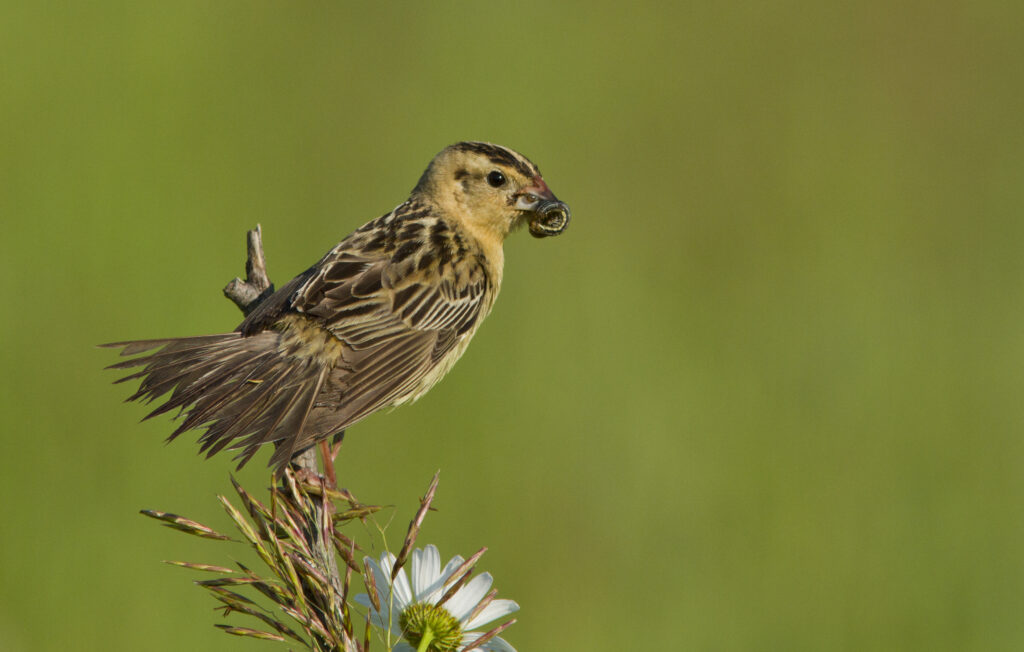
Learn More About The Impact of Neonics on Bird Health, Breeding Success with Dr. Christy Morrisey from The University of Saskatchewan and Nature Canada here!
Canada’s Pesticide Evaluation: A Failure to Protect Our Future
In 2018, Canadian officials acknowledged the threat of imidacloprid (a type of neonic) and proposed phasing it out to protect aquatic life. But by 2021, under industry pressure, that plan was watered down. Instead of a ban, limits were set on the use of these chemicals—meaning millions of toxic chemicals continue to contaminate our soil, water, and air. Birds, bees, and butterflies are paying the price, and we can’t let this continue.
Disturbingly, it’s come to light that industry pressures may have influenced the government’s decision to protect neonics.
Nature Canada and our partners are calling for an independent review, but we cannot do this alone. Your support is urgently needed to help us push for change and demand action before it’s too late.
Pollinators need us. Pledge to become a Bird Defender and enter to WIN a bird-safety kit!