Migrating with Shorebirds, Where the Stars are Upside Down
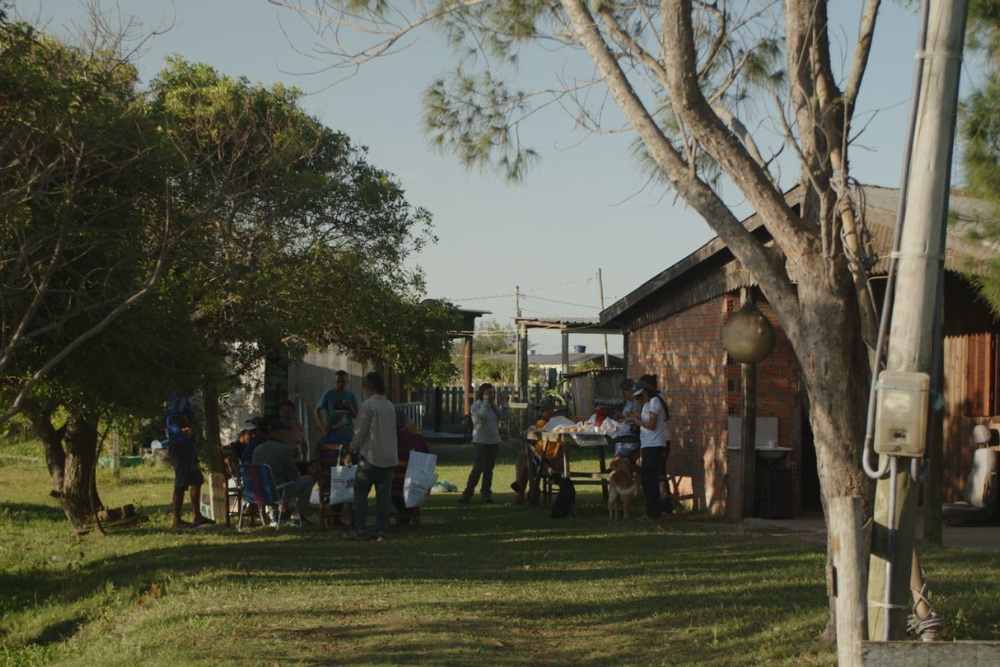
This past November, we decided to migrate with them. We traveled from our home in Moose Factory, Ontario all the way to a small community about the same size as ours, called Mostardas, in the state of Rio Grande do Sul, Brazil. Nearby is Lagoa do Peixe National Park. It is around 10,000 kilometers away from our home!
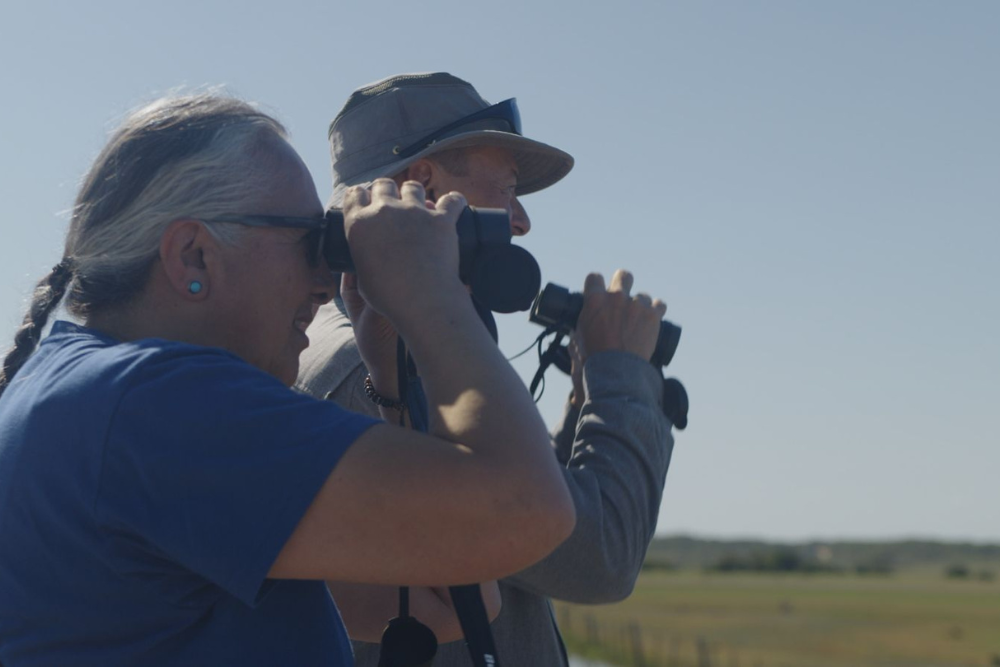
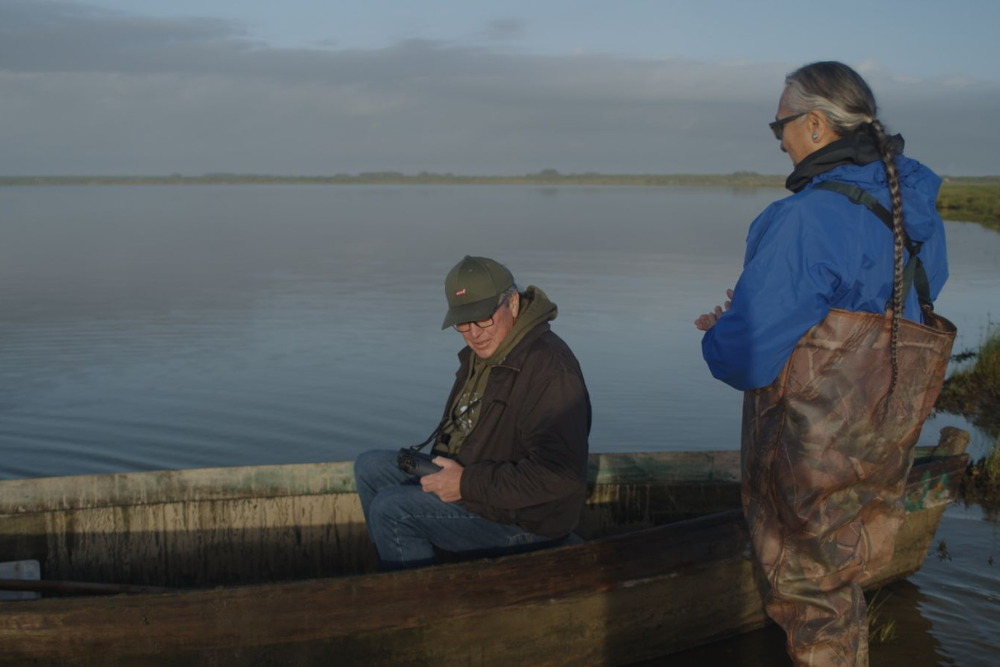
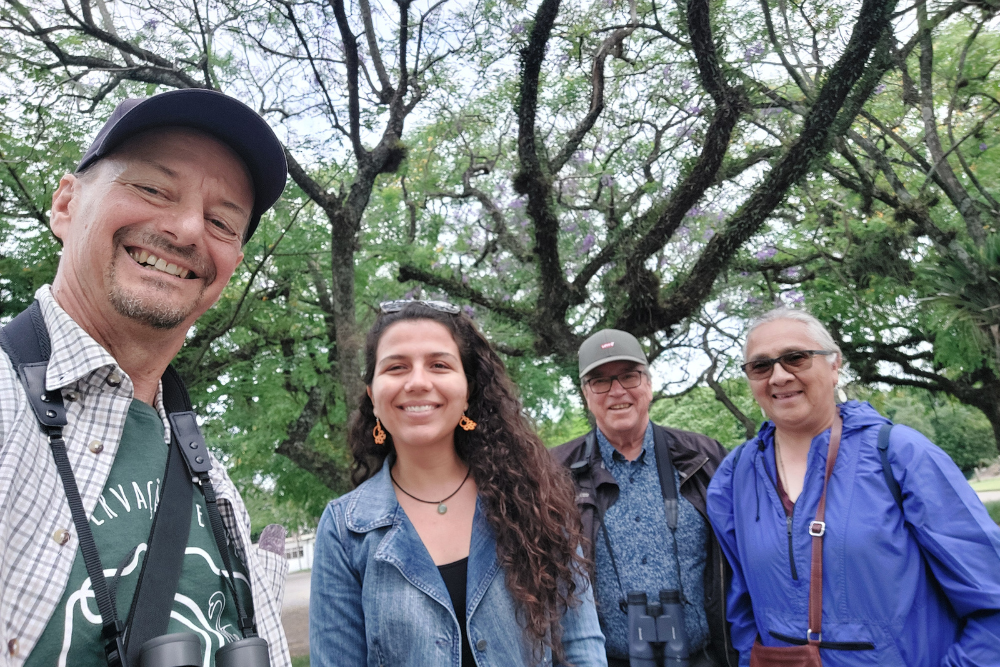
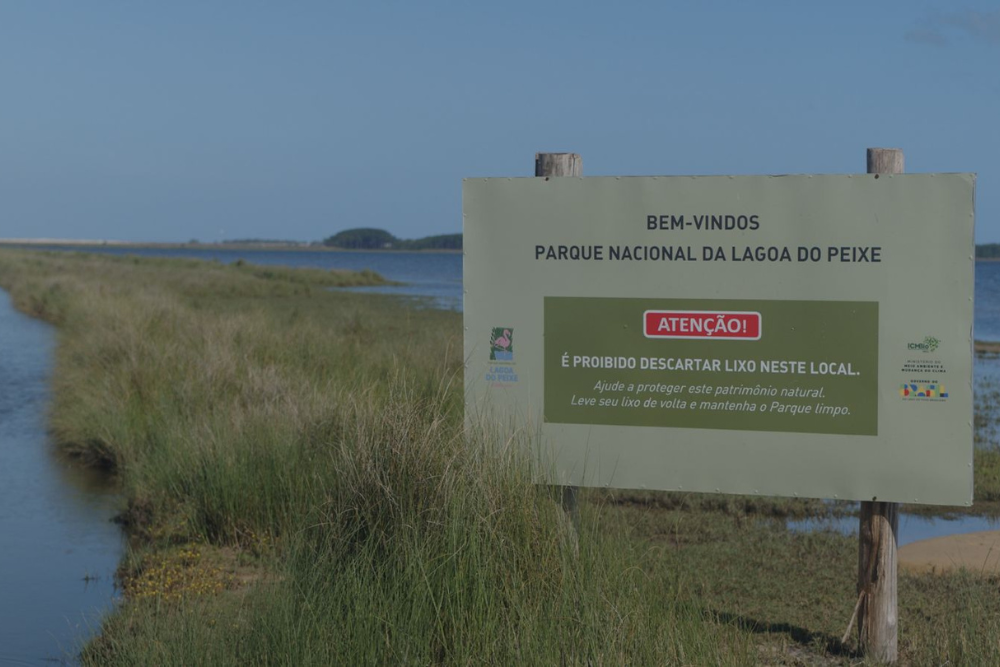
Photos by Pedro Clezar
It wasn’t until we made the trip ourselves that the distance truly hit us. We sat on the plane for hours to cross two continents. It makes you stop and think: we were tired sitting in a comfortable seat, but those little birds do the same journey every single year (twice!), powered only by their own wings. It is amazing to finally visualize what they go through.
Arriving in Brazil felt like stepping into a mirror world. In November, while Moose Factory was freezing up with snow, the farmers in Brazil were planting, and the birds were building nests.
John noticed right away that when the wind blows from the south, it brings the cold and stormy skies but it’s the north wind that does that for us back home. Even the night sky is different, the stars and constellations we know weren’t where we usually see them. It was a whole new world.
Photos by Pedro Clezar
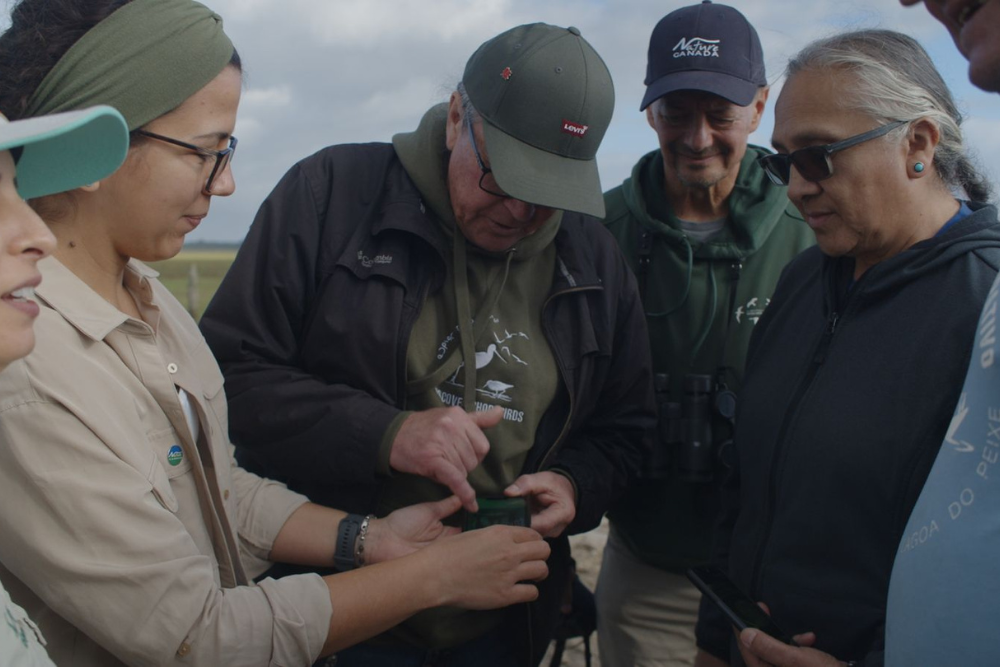
Not all was different though. When talking to fishermen pointing at bird pictures to learn their names in our different languages, we heard that when “Narcejas” call a certain way, it means that rain is coming. We know “Narcejas”, we call them “kâškicimesiw”- or Snipe, in English. And sure enough, certain Snipe calls mean rain to us, too!
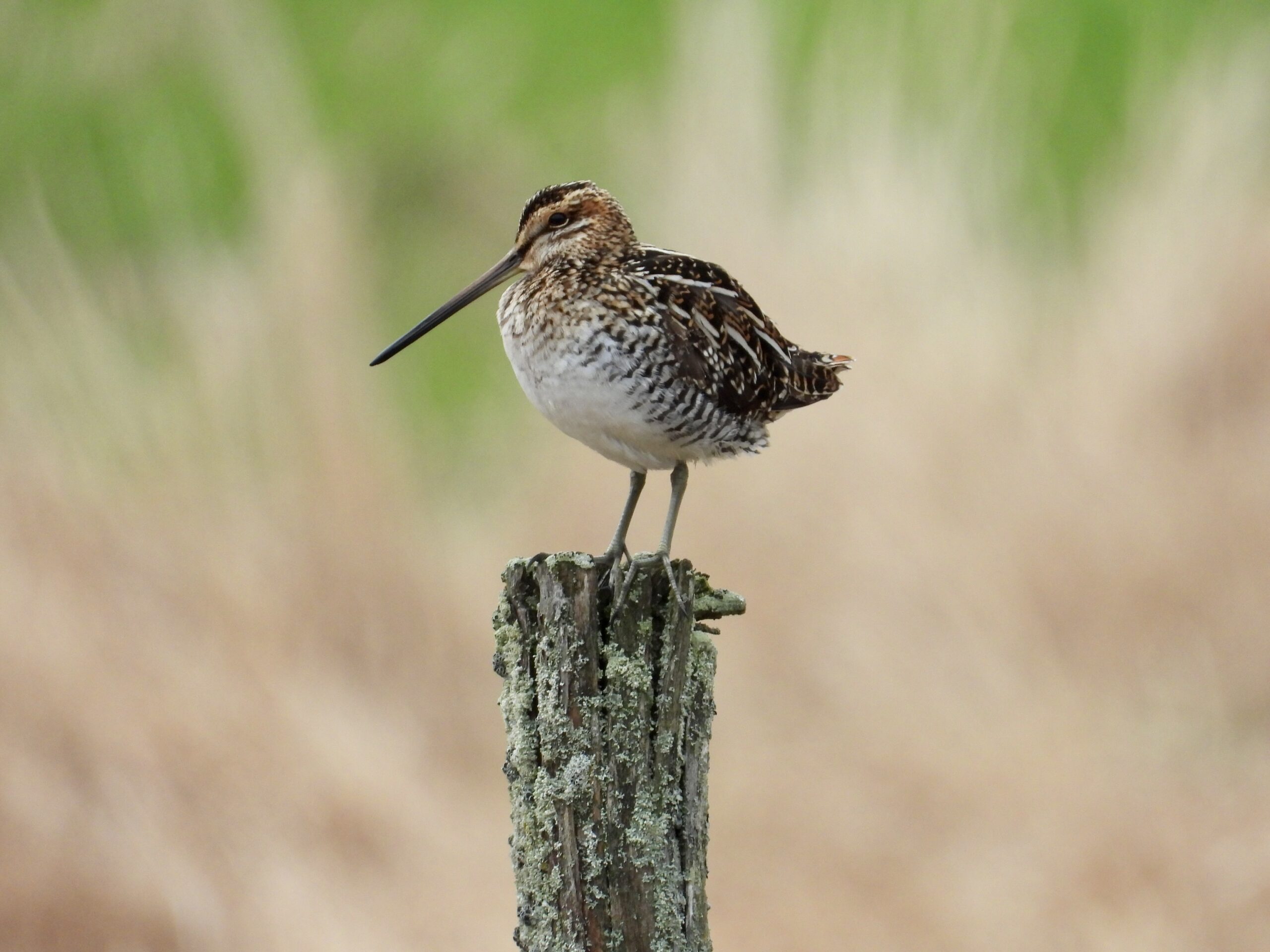
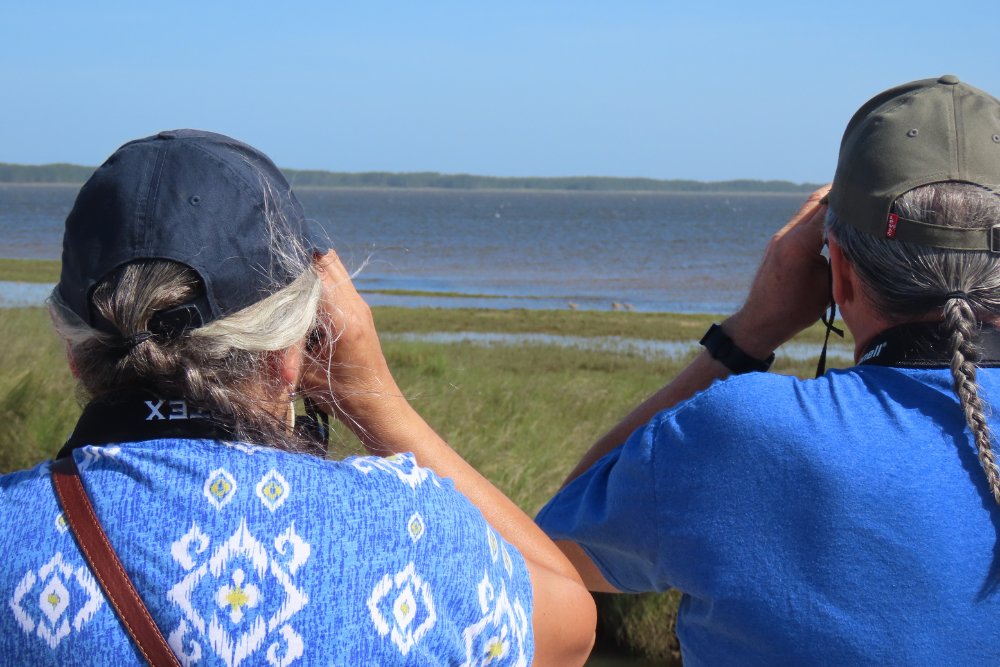
We went to find the birds that connect our communities and we weren’t disappointed. In the end we saw ten species of shorebirds that we share with the Gaúcho people of Lagoa do Peixe. It was incredible to stand on a beach in the Southern Hemisphere and see the same Hudsonian Godwits and Yellowlegs that we see back home.
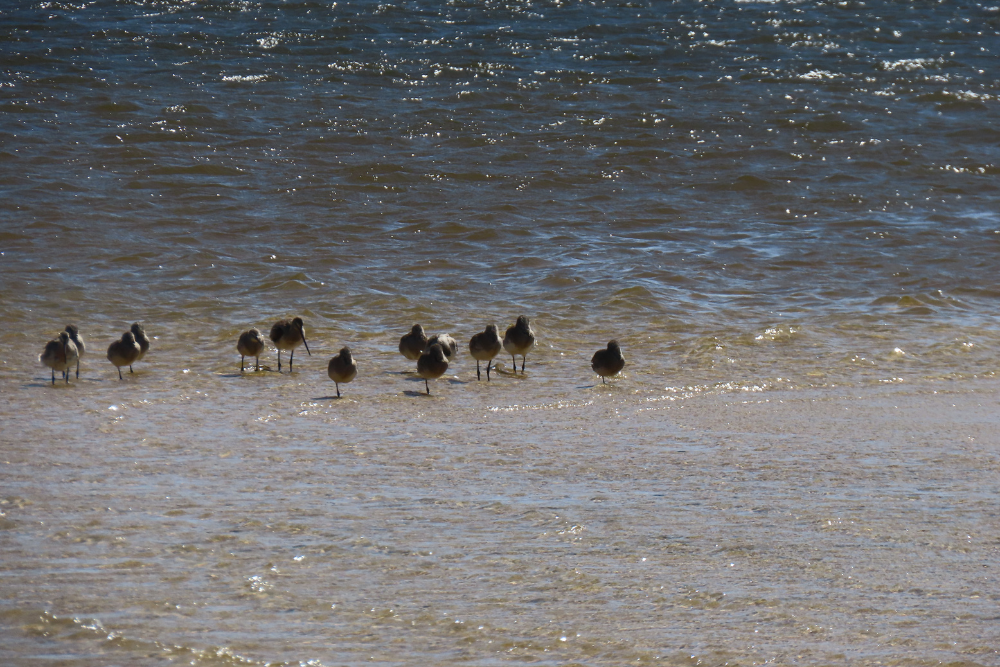
One of the most amazing sights was the Sanderlings. There were thousands of them! They move together like a living wave, running down the beach as the water recedes and running back up as the water rolls in. There were so many of them that it looked like “sand waves.” Seeing them there, healthy and strong after their long journey, was pretty special.
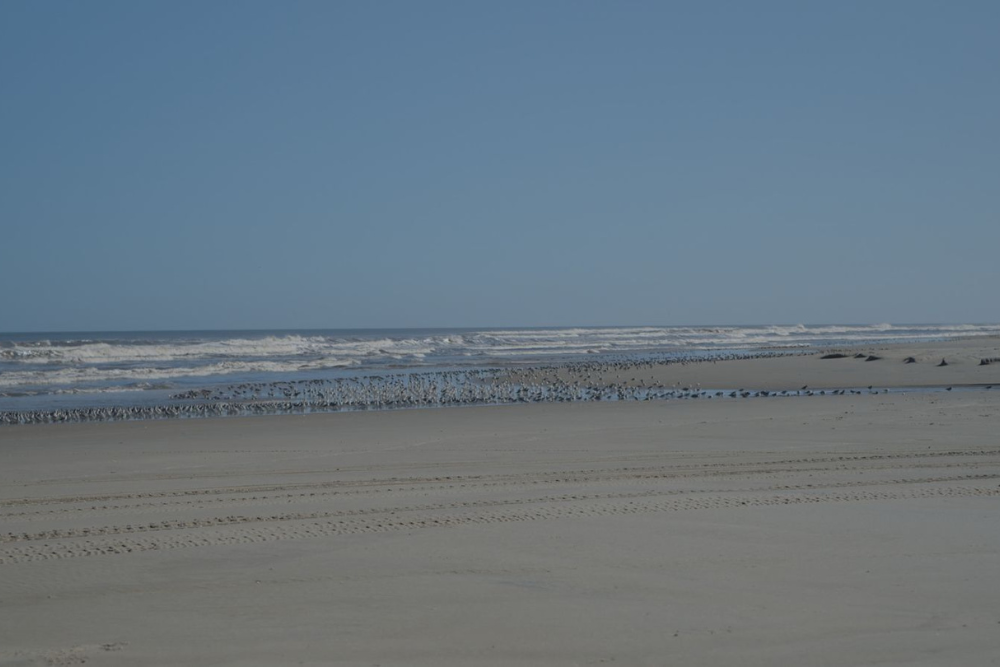
Photos 1 and 2 by Ted Cheskey, photo 3 by Pedro Clezar
We also loved the Brazilian birds and their vibrant colors.
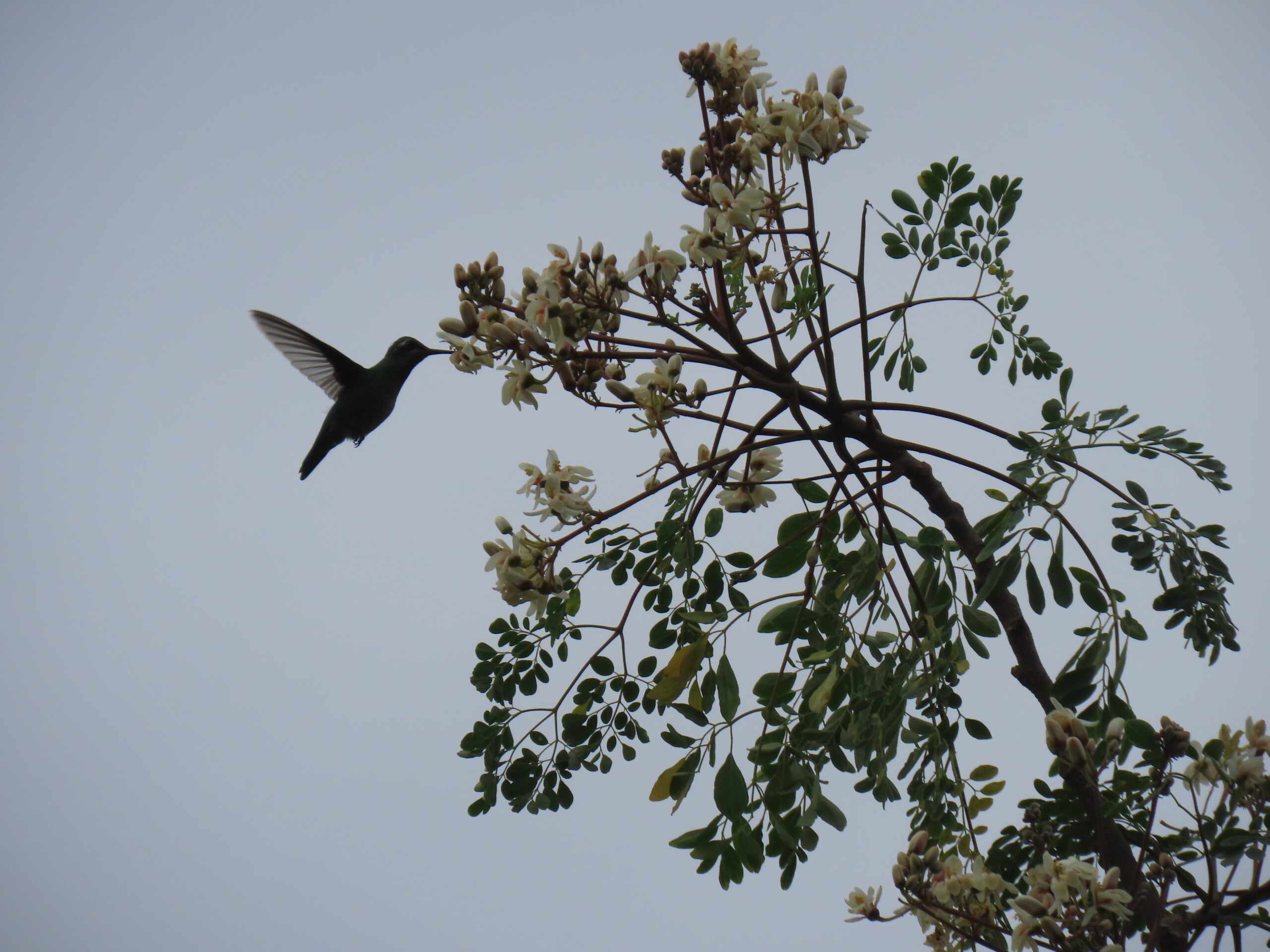
Linda: “I worked hard to spot a hummingbird, and when I finally did, it was a highlight of the trip. They are so fast! I also loved the Jacana, a beautiful bird with red on its crown and the Southern Lapwing, which was the very first bird I heard and saw when we arrived.”
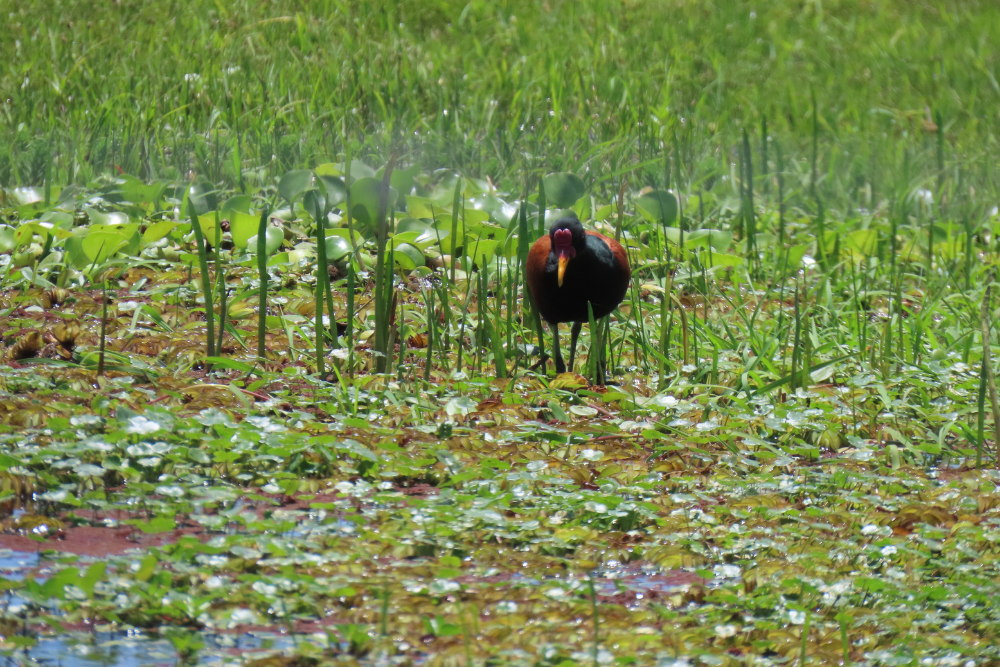
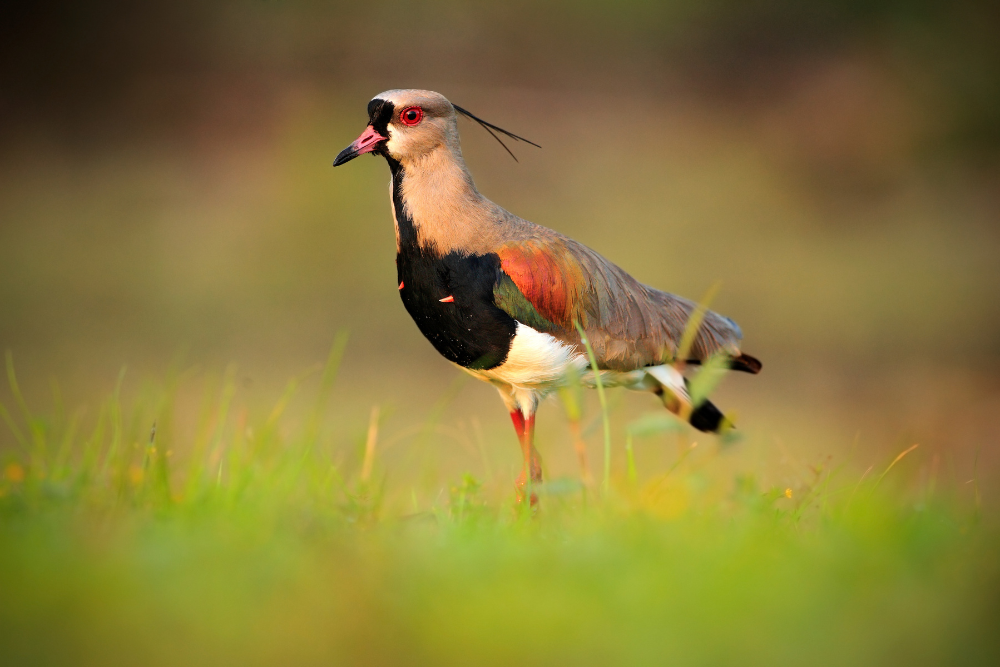
Photos 1 of a Jacana by Ted Cheskey, photo 2 of a Southern Lapwing from shutterstock
Sharing Food and Fire
We quickly learned that some of the people of Brazil are very much like us and they live off the land. We visited a Quilombo (an Afro-Brazilian community established long ago by escaped slaves) and saw how they harvest onions and work the soil.
And then, there was the delicious food!
John: “I really enjoyed the meals. They cook meat with fire, very similar to how we do it in the bush. It felt familiar. We learned to drink ‘chimarrão’, a type of tea made with erva mate. It is usually made and served in a wooden cup called a “cuia” that is shared with others and sipped through a metal straw. It’s a community tradition, passing the cup around, taking time to just be together.”
Visiting Schools and Meeting Students
We visited the schools and met students who were very curious about everything. Though they were shy at first, it only took that first nervous question for them to flood us with all sorts of things they wanted to know.
They asked a lot about the geese, and we realized that the way we harvest geese in Moose Factory is very similar to the way they harvest shrimp in Brazil: you have to know the right time, the right place and the right way to do it. We showed them pictures of our cabin and the snow, and us butchering a moose, things most of them had never seen before. We taught them the Cree name for the Yellowlegs, “šešešiw”. That it is a special connection, knowing that we know the people who are watching out for them when they aren’t with us.
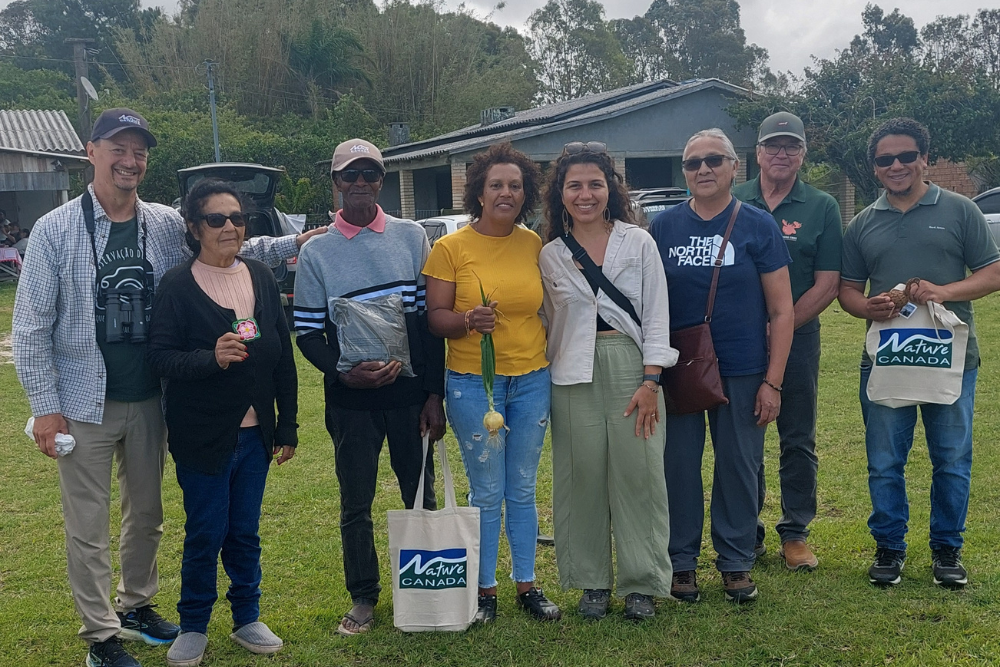
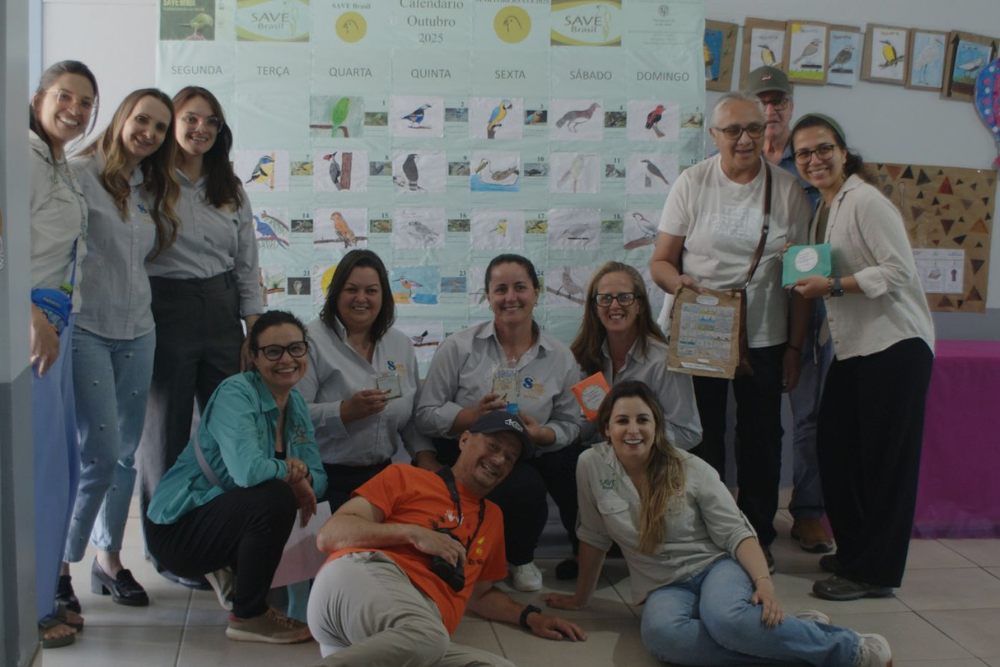
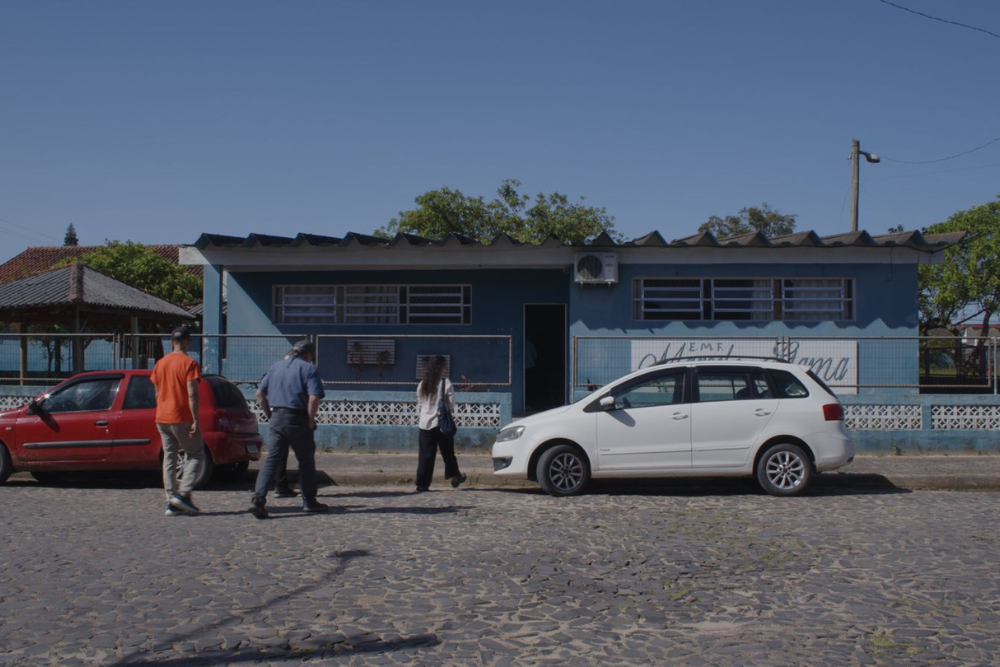
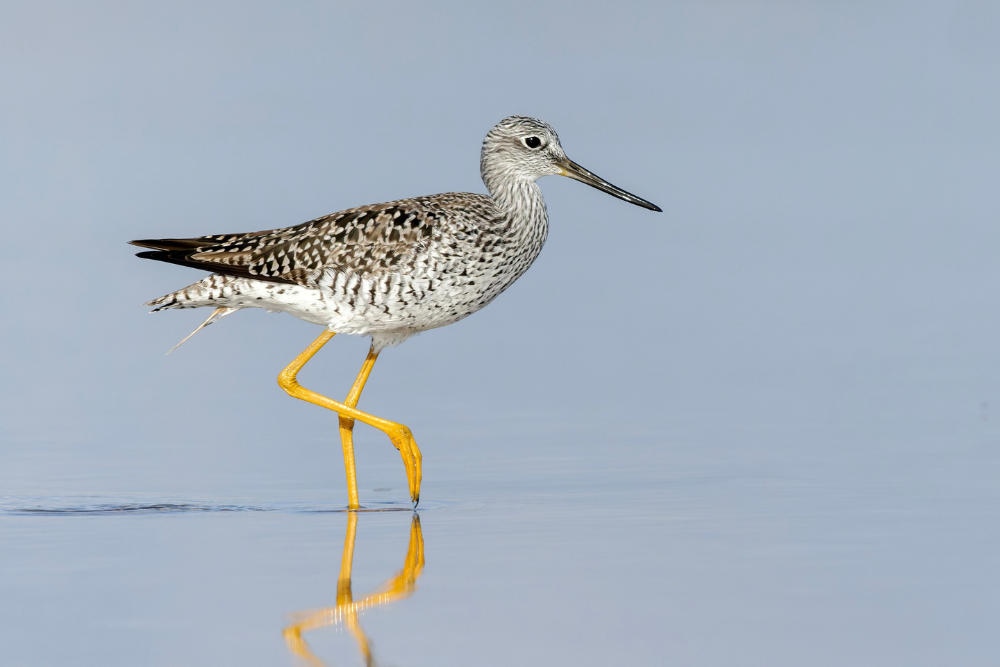
Photo 1: Our visit to a Quilombo
Photo 2: Picture with teachers showing students’ work on shorebirds at Izabel Cristina School in Tavares
Photo 3: Arriving at Marcelo Gama School in Mostardas
by Pedro Clezar
Photo 4: Greater Yellowlegs (Tringa melanoleuca) wading in shallow water – Shutterstock
Coming back home
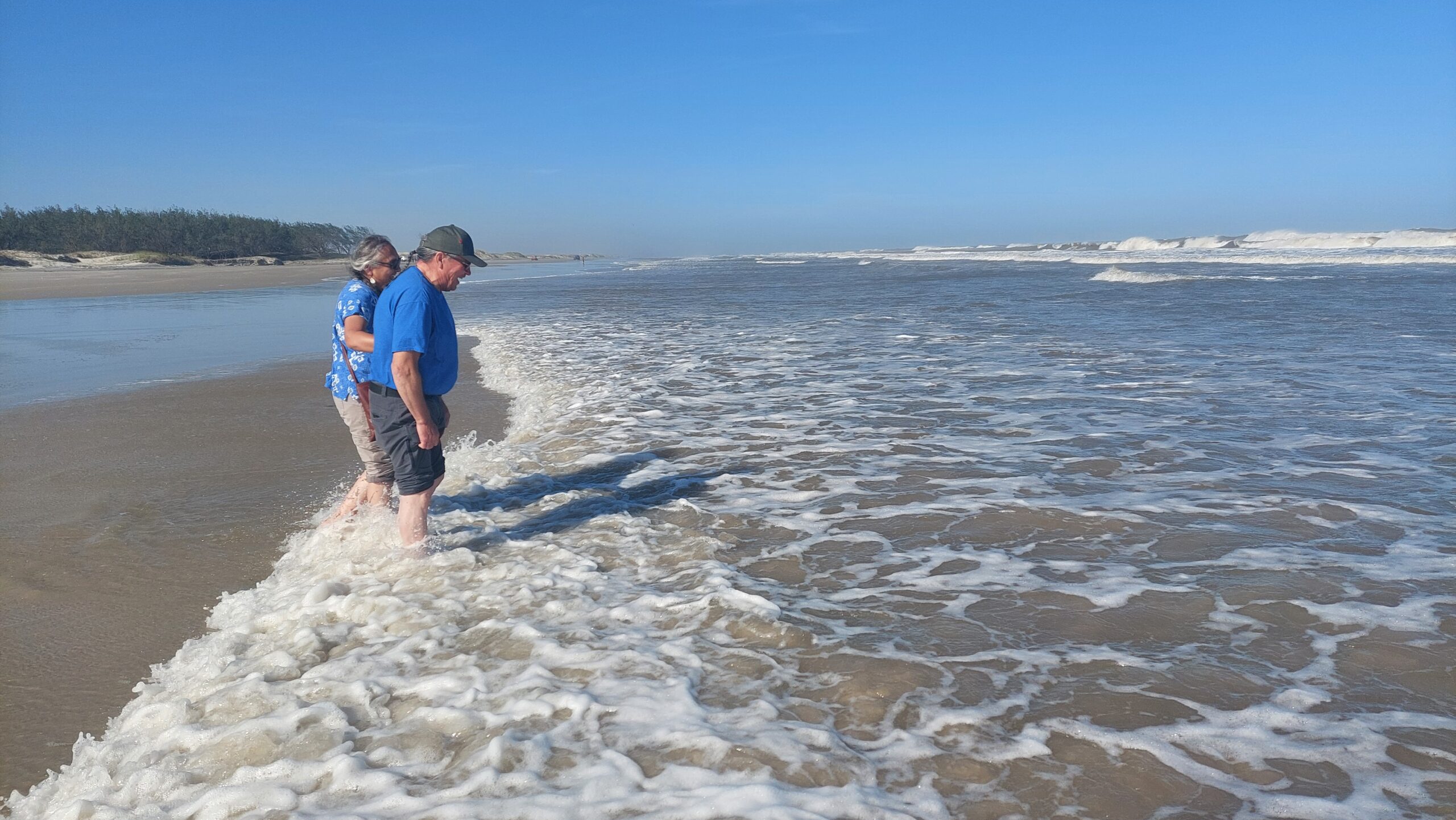
Linda – “After our trip and experience with the shorebirds at Lagoa do Peixe National Park and birdwatching with Ted and Priscilla, I feel inspired to learn more about identifying shorebirds in our region. We travel the mouth of the Moose River Estuary and areas along the James Bay shores and do encounter shorebirds and other species on our trips. I really enjoyed birdwatching at the lowland area before we reached the beach…the ocean was one of the highlights for me…the waves…shorebirds…wind…beautiful experience.”
We are looking forward to sharing these stories and maybe some photos of those “sand waves” with the students at the Delores D Echum Composite School, where Linda is an Elder and part-time counsellor.
It turns out, the world is big, but the birds make it feel a lot smaller and more connected.
Nature Canada has been working with communities in James Bay for several years to help them identify specific areas that are particularly important for local wildlife – including shorebirds.
During this work, we heard from many people in these communities about how there are fewer shorebirds now than in the past, and the concern about the loss of language and culture that comes with it. They also asked “Where do they go when they leave at the end of the summer?”. To answer these questions, Nature Canada and organizations from across the Americas are implementing a project to protect and recover shorebirds by working with schools to cultivate student and community interest in shorebird conservation near important stopover sites.
We’re thankful to our many partners who made John’s and Linda’s trip to Brazil possible. Read more about this work here and our field notes here.