Make Every Bird Count! Join Global Bird Rescue 2026
Each year, millions of birds lose their lives during their migration after colliding with buildings—a devastating consequence of our built landscapes. But there’s something you can do. By rescuing injured birds and helping identify collision-prone structures, you can be part of the solution. Birds don’t recognize glass as a barrier. Reflections can look like trees or open sky, while birds may try to reach what they see through a window. At night, artificial light can attract migrating birds into areas with more buildings and glass.
Bird-building collisions are preventable. Global Bird Rescue, organized by FLAP Canada with support from Nature Canada, brings people around the world together to take action. From September 21 to 27, we are focusing on three ways everyone can help: Rescue, Advocate and Educate.
Birds heading south need your help
This September, billions of birds will take flight on their migratory journeys, passing through cities and towns across the globe. Their brief stopovers bring beauty and song to our lives—but sadly, many won’t survive the trip due to collisions with windows and lit-up buildings. With your help, more birds have a fighting chance to reach their destination safely.
Artificial lighting at night can lure migrating birds into urban and rural areas, while reflective or transparent glass during the day can mislead them into thinking they’re flying into open sky or habitat. Bird-window collisions are one of the leading factors behind the loss of nearly 3 billion birds in North America over the last 50 years.
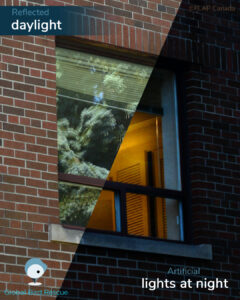
Indoor and outdoor lights at night can draw birds into urban centres. During the day, birds collide with glass trying to reach reflected habitat.
Understanding the problem
To prevent these tragedies, it’s important to understand when and where collisions are happening. That’s why FLAP Canada—supported by Nature Canada and other valued sponsors—organizes Global Bird Rescue (GBR) each year during the last week of September. This initiative raises awareness of bird-building collisions worldwide by encouraging people to document strikes, rescue injured birds, and make windows safer.
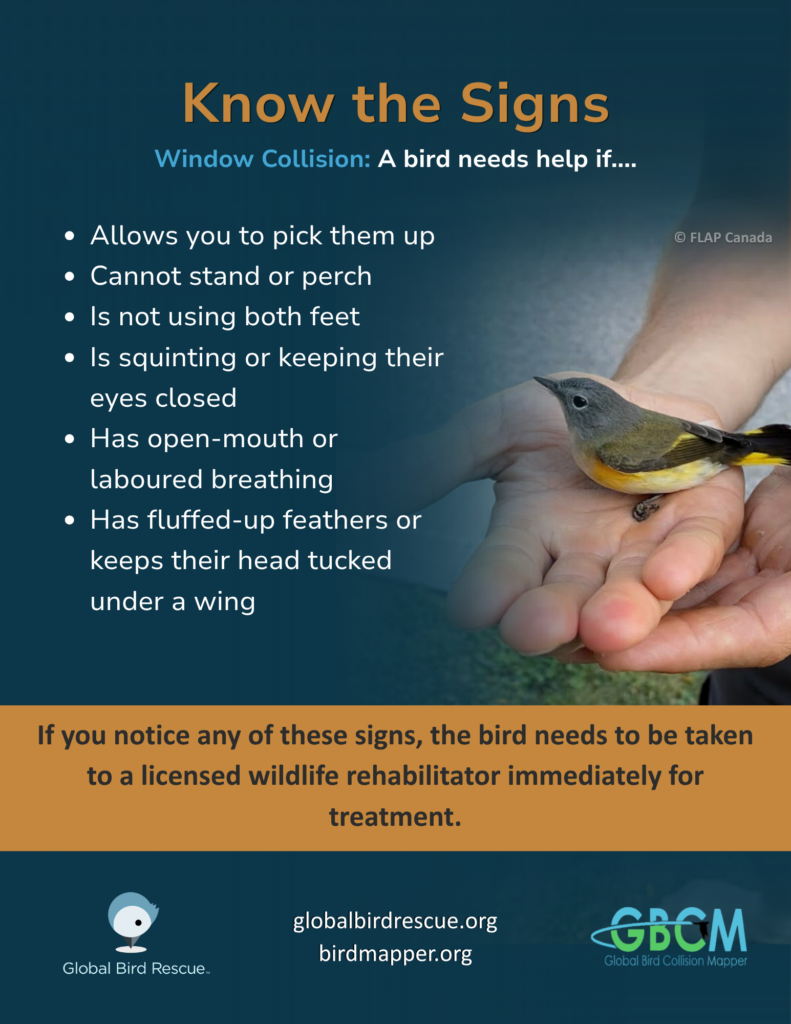
Join Global Bird Rescue 2026 from anywhere in the world—it’s easy!
Visit globalbirdrescue.org and sign up for email updates. From September 21 to 27, help us document bird-building collisions by reporting them in the Global Bird Collision Mapper. You don’t need to be an expert—just share the details of your encounter through the simple “Report a Collision” survey on the site.
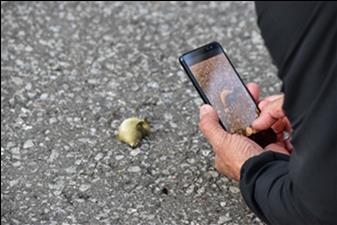
Using the Global Bird Collision Mapper to record a bird. Photo: Michael Mesure
Using the Global Bird Collision Mapper (GBCM):
How your data can help birds
Each report adds valuable information to our global database, helping researchers, advocates, and policymakers better understand the scope of the problem. Your participation also supports broader efforts to make homes and cities bird-friendly—aligning with Nature Canada’s Bird Friendly City program.
Have questions? Reach out to FLAP’s Global Bird Rescue Coordinator, at mapper@flap.org.